

Beyond the Surface: Mastering the Psychology of Branding through Behavioral Economics
Beyond the Surface: Mastering the Psychology of Branding through Behavioral Economics
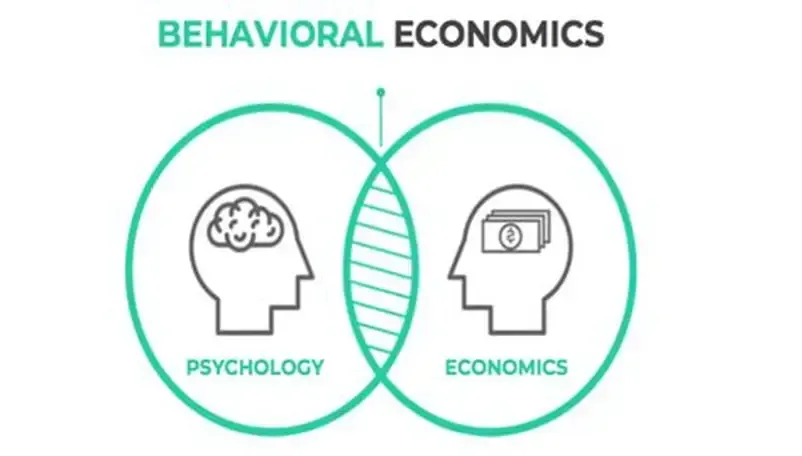
In an era of algorithmic saturation, the battle for consumer attention is no longer fought on the battlefield of features and benefits. For the modern Creative Director and Brand Strategist, the true frontier lies within the subconscious. While neuroscience provides the biological "how," Behavioral Economics and Archetypal Branding provide the strategic "why"—the invisible architecture that dictates how a brand is perceived, remembered, and ultimately chosen.
To build a brand that resonates on a primal level, we must move beyond aesthetic trends and anchor our strategies in the predictable irrationality of the human mind. Here is how to engineer a brand identity that transcends the screen.
1. The Architecture of Meaning: Archetypal Branding
Before a single pixel is placed, a brand must inhabit a story. Archetypal Branding, rooted in Jungian psychology, allows a brand to bypass logical scrutiny and connect directly with universal human desires. An archetype serves as a psychological shortcut, providing an immediate sense of familiarity and trust because it aligns with stories we have told ourselves for millennia.
When a brand adopts the Hero archetype (like Nike), it doesn't just sell shoes; it sells the triumph over adversity. When it adopts the Sage (like Google), it sells the clarity of knowledge. For strategists, the goal is "Archetypal Purity." A brand that fluctuates inconsistently between the Rebel and the Innocent creates cognitive dissonance, weakening its subconscious grip on the consumer.
2. Chromatic Influence: Color Psychology in UI
In Digital Branding, color is not a decorative choice; it is a functional trigger. While basic associations like blue for trust or red for urgency are well-known, sophisticated UI Color Psychology examines how saturation and brightness influence "Perceived Effort."
For instance, High Saturation increases arousal and perceived urgency, making it the ideal choice for Call-to-Action (CTA) buttons and limited offers. Conversely, Low Brightness conveys luxury, mystery, and authority, which is why it is often found in premium product tiers and high-end portfolios. For complex tools like SaaS dashboards, Monochromatic Palettes are used to reduce cognitive load and foster focus. By aligning the UI color palette with the brand’s archetypal identity, designers can reduce "Interaction Friction" and guide the user's emotional journey without a single word of copy.
3. The Anchor and the Frame: Cognitive Biases in Pricing
Pricing is rarely about the objective value of a product; it is about the contextual perception of that value. Brand strategists must leverage behavioral biases to "frame" their offerings effectively. One of the most powerful tools is the Anchoring Effect: by presenting a high-priced "Anchor" product first, subsequent options appear significantly more affordable, even if they are objectively expensive.
Furthermore, the Decoy Effect—introducing a third, less attractive pricing tier—can nudge consumers toward a specific "Target" tier, making the choice feel like a logical victory for the buyer. Finally, the Scarcity Heuristic, such as integrating real-time availability or exclusive "Member-Only" windows, triggers a fear of loss that often overrides price sensitivity entirely.
4. The Power of Heritage: Narrative Continuity
In a world of "disposable" startups, Brand Heritage serves as a powerful psychological anchor. Humans are evolutionarily wired to trust what has survived. Even for new brands, "Constructed Heritage"—the emphasis on craftsmanship, origin stories, and founding values—creates a sense of Temporal Depth.
This narrative continuity provides the consumer with a sense of safety. By highlighting the "lineage" of an idea or the "provenance" of materials, strategists leverage the Availability Heuristic, making the brand’s reliability feel like an established fact rather than a marketing claim.
5. Sensory Branding: The Multi-Dimensional Identity
The most resilient brands are those that exist outside the screen. Sensory Branding explores how sound (sonic logos), scent, and haptics—the physical feel of packaging—reinforce the brand’s psychological footprint.
For a digital-first brand, this might translate to the specific haptic feedback of a mobile app or the curated soundscape of a notification. These sensory cues bypass the rational brain and trigger immediate brand recall, creating a holistic experience that resonates on a visceral, subconscious level.
Conclusion for Strategists
Building a brand identity is no longer an exercise in graphic design; it is an exercise in Human Engineering. By mastering the intersections of Behavioral Economics and Archetypal psychology, Creative Directors can move beyond "looking good" to "feeling right."
In 2026, the question is no longer what your brand says, but what it triggers. Focus on quality, psychological consistency, and sensory depth, and the consumer's subconscious will follow.
Contact Us
Sign Up to Get Our Best Content First
Subscribe to our newsletter and get the latest insights on mobile apps, digital marketing trends, and growth strategies delivered straight to your inbox.
Stay Connected!
Follow Us: